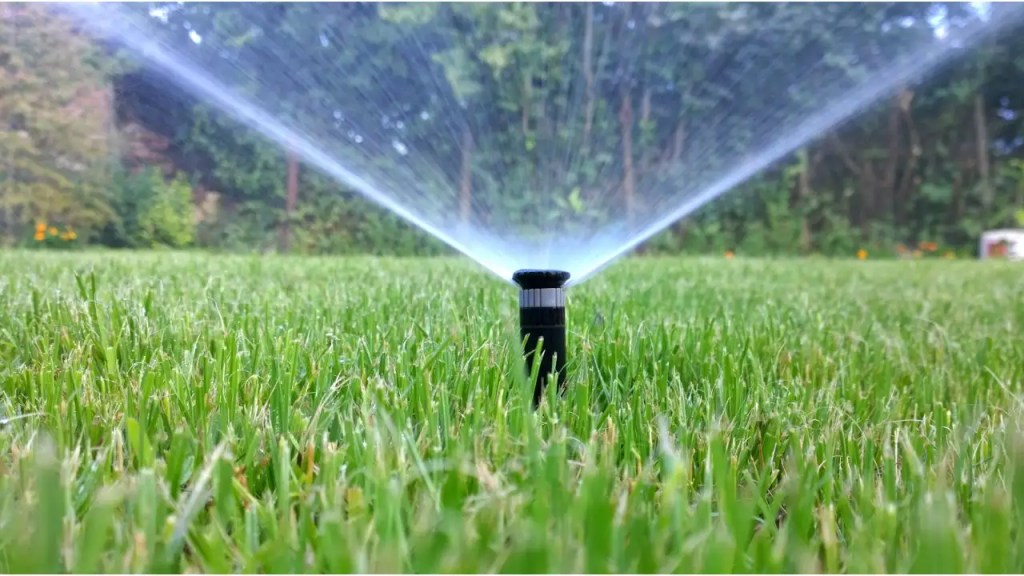
It was the summer of 2020, and my brother and I were driving home. One of our neighbors was watering their lawn while it was raining. We were confused why the sprinklers were on, and wanted to know how much water that must waste. We wanted to learn more about how sprinkler systems work.
It turns out there are not too many options when it comes to keeping your grass green. Here are the basics:
- Watering the lawn is optional. Let it rain.
- Manual watering: hose, watering can, etc. Turning on and off the hose as needed, manually.
- A traditional sprinkler timer that waters repeatedly at a set pattern.
- A traditional sprinkler timer with a rain sensor. Same as above but skips watering if it is actively raining.
- Smart Wi-Fi sprinkler timer that makes adjustments based off predicted precipitation and temperature
In doing this research, we discovered that our county was offering a grant to subsidize smart irrigation systems.
We also learned that irrigation quadruples the water demand in our community, and there are some regulations. Some of them include:
- Watering every other day.
- No watering during 10am – 4pm.
- A permit is required for an in-ground sprinkler system
- Backflow testing is required yearly for in-ground sprinkler systems
At about the same time, a digital water meter was installed in our home. Water meters are devices that measure how much water a home uses. Traditionally, they were read every 3 months for billing purposes. Digital meters are a little different. They read water usage every 15 minutes and send this data in real time to the water district. This enables the water authority to offer new tools like leak detection. In our community, the Digital water meter is managed by Badger Water Meter and their leak detection program is called eye on water.
We started to realize that if we had access to the digital water meter data we could answer some of our questions. For example;
- How much water does irrigating in the rain waste?
- How many homes in our community have an irrigation system without a permit? (They are likely not doing backflow testing, which could risk contaminating the water supply)
The above questions are just starting points. With this data, we would be able to study our communities water consumption and help make intelligent recommendations and decisions about water conservation opportunities. For instance, what if an analysis of this data was provided to Nassau County. They could then target their smart sprinkler grant to those accounts that would benefit the most. Analysis like this would help to maximize conservation budgets cost effectiveness and impact.
 Millions of Gallons
Leave a comment